Scuba Gear Reviews: Best Brands and Products for 2025
During 2025, the scuba gear market showcases a variety of innovative products created to optimize the diving experience. Prominent brands like O'Neill, Xcel, and Scubapro concentrate on comfort and sustainability in their wetsuits. Meanwhile, advanced dive computers from Aqualung and Mares feature improved safety features. As divers seek reliable equipment, the significance of quality gear becomes evident. The upcoming sections will explore these offerings and their effects for both performance and environmental responsibility.
Best Wetsuit Brands for Exceptional Comfort and Flexibility
When selecting a wetsuit, divers prioritize both comfort and flexibility, which are critical for an rewarding underwater experience. Several top brands regularly deliver high-quality wetsuits created to meet these needs. O'Neill is well-known for its innovative materials that supply excellent stretch while maintaining warmth. Meanwhile, Xcel blends advanced neoprene technology with ergonomic designs, providing a snug yet unrestricted fit. Scubapro provides versatile options that address various diving conditions, emphasizing durability and ease of movement. Additionally, Mares distinguishes itself for its sleek designs and comfortable linings, attracting both novice and experienced divers. These brands are recognized for their commitment to enriching the diving experience through superior wetsuit performance, making them preferred choices in the diving community.
State-of-the-Art Dive Computers for Superior Safety
As divers emphasize comfort and flexibility in wetsuits, they equally understand the importance of safety in their underwater adventures. Innovative dive computers have emerged as essential tools that enhance safety through advanced features. These devices provide real-time data on depth, time, and decompression limits, helping divers sidestep potential hazards. Many models incorporate wireless connectivity, facilitating seamless communication with dive buddies and surface support. Additionally, some dive computers now include integrated algorithms that account for varying gas mixes, guaranteeing accurate readings tailored to specific dive conditions. Alarm systems alert divers to potential dangers, permitting timely adjustments. With user-friendly interfaces and customizable settings, these dive computers empower divers to make informed decisions, improving overall safety during exploration beneath the waves.
Key Regulators for Optimal Respiration Performance
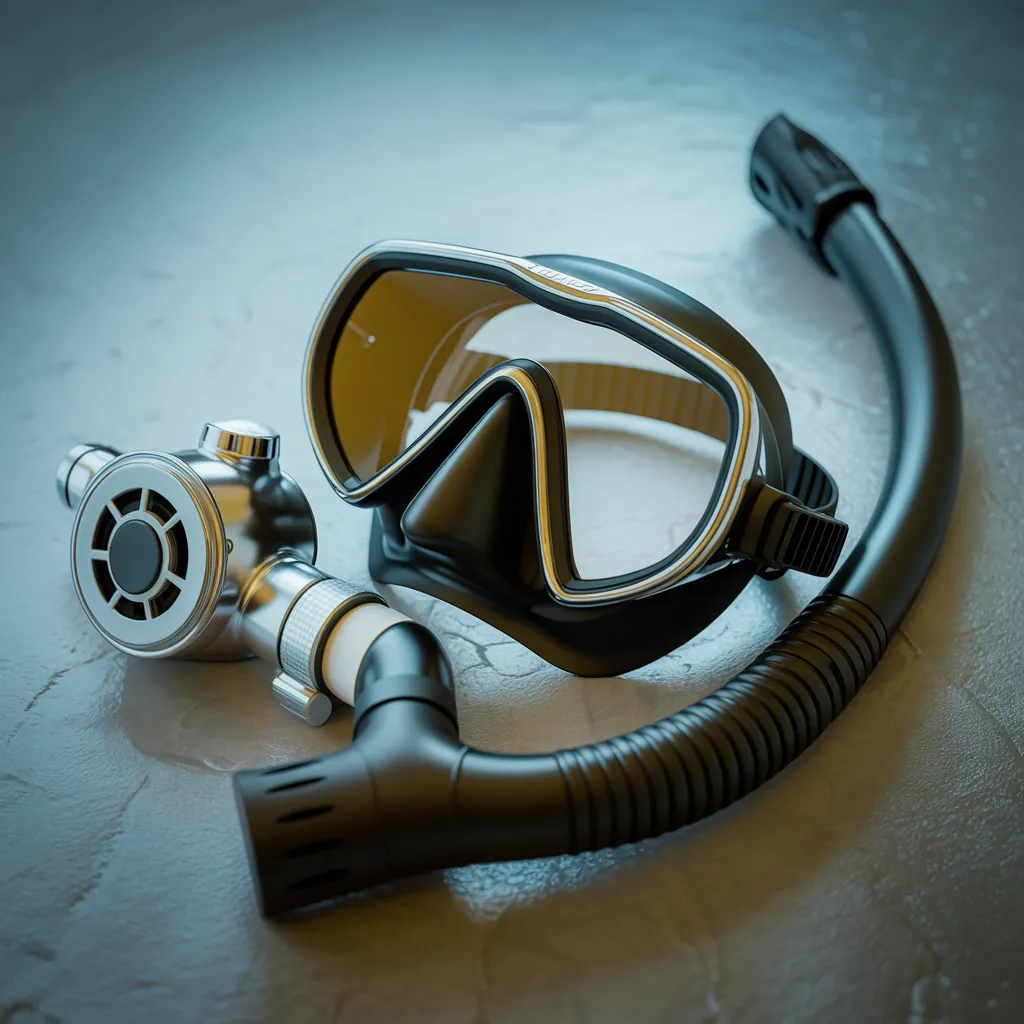
Vital regulators play a significant role in providing ideal breathing performance for divers. These critical components of scuba gear provide the safe and efficient delivery of air from the tank to the diver. When choosing a regulator, divers should examine factors such as breathing comfort, reliability, and the capacity to function well at multiple depths. Established brands like Scubapro, Aqualung, and Mares offer regulators created to offer steady airflow, even in challenging conditions. In addition, features such as balanced diaphragm systems and adjustable breathing resistance improve user comfort. Regular maintenance and scheduled servicing are vital to ensure that regulators work at maximum efficiency, ensuring the safety of divers while they explore underwater environments. Acquiring a high-quality regulator is vital for any serious diver.
High-Quality BCDs for Superior Buoyancy Control
Selecting a premium buoyancy control device (BCD) is vital for divers pursuing the best control over their underwater experience. A expertly-crafted BCD improves buoyancy management, allowing divers to achieve optimal stability and comfort at diverse depths. Features such as adjustable straps, multiple pockets, and integrated weight systems contribute to a personalized fit and superior functionality. Brands like Scubapro, Mares, and Aqua Lung regularly receive high marks for their durable materials and innovative designs. Moreover, lightweight and compact options are available for travel-friendly choices. Picking the right BCD not only affects a diver's performance but also provides safety and enjoyment during dives, making it a substantial investment for both novice and experienced divers alike.
Reliable Dive Lights for Poor Visibility Situations
In low-visibility environments, maintaining a reliable light source is essential for safe exploration. Several top brands feature dive lights engineered for these challenging conditions, every one with special features that enhance performance. Important factors to take into account when picking a light include luminosity, battery life, and durability.
Top Dive Light Companies
Underwater lighting equipment is crucial for subsurface adventures, specifically in dim underwater settings where natural illumination is limited. Several brands have established themselves as leaders in the underwater lighting industry, celebrated for their consistency and capability. Within this group, brands like Underwater Kinetics and Light & Motion shine, delivering long-lasting engineering and exceptional illumination power. Princeton Tec is another notable name, acknowledged for its innovative technology and simple handling systems. Scubapro also deserves mention, delivering a spectrum of designs designed for various underwater requirements. Lastly, the adaptable products from Bigblue Dive Lights have earned recognition among divers looking for intense brightness. Each brand offers unique features and specifications, guaranteeing that divers can discover fitting alternatives for their unique subsurface explorations.
Critical Features to Take into Account
When assessing reliable dive lights for low-visibility conditions, various key features become relevant. Brightness, measured in lumens, is crucial; higher lumens provide better visibility underwater. The beam angle is another key element, as a wider beam illuminates a larger area, while a narrow beam can penetrate deeper. Durability is essential, so lights should be constructed from robust materials and be rated for substantial depths. Battery life directly impacts usability; longer-lasting batteries minimize the need for frequent replacements. Moreover, water resistance ratings, such as IP68, show a light's ability to withstand underwater conditions. Finally, features like adjustable brightness settings and ease of operation with gloves improve the overall diving experience, making these factors important for divers in low-visibility situations.
Important Equipment for Every Scuba Diver
In the realm of underwater exploration, specific accessories are indispensable for guaranteeing safety and elevating the experience. Critical safety gear, such as signaling devices and first aid kits, are critical for any diver. Furthermore, useful tools like underwater cameras and dive knives provide both functionality and pleasure during underwater excursions.
Important Protective Equipment
Safety stands as a top priority for divers, as the underwater environment can introduce unforeseen challenges. Critical safety gear includes items that boost a diver's security and peace of mind. A reliable dive computer is critical for tracking depth and time, minimizing the risk of decompression sickness. Moreover, a buoyancy control device (BCD) allows divers to achieve neutral buoyancy and move up or down safely. A surface marker buoy (SMB) is important for signaling to boats during surface ascents. Divers should also invest in a quality dive knife for emergency situations, ensuring easy access to cutting tools. Additionally, a good pair of dive lights enhances visibility in low-light conditions. Collectively, these accessories establish the foundation of a safe diving experience, shielding divers from potential hazards.
Easy-to-Use Underwater Accessories
Whilst diving can be an exhilarating experience, having the right convenient dive gear greatly elevates the overall adventure. Essential accessories like a dive knife, multi-tool, and underwater flashlight can substantially improve a diver's performance and safety. A dive knife serves multiple purposes, from cutting tangled lines to providing peace of mind. Multi-tools integrate various functions, allowing divers to make quick adjustments to gear underwater. An underwater flashlight is critical for exploring dark crevices and signaling fellow divers. Additionally, a surface marker buoy (SMB) is important for safe ascent and visibility. Utilizing these convenient dive tools not only simplifies underwater tasks but also provides a more satisfying and secure diving experience, making them indispensable for any diver's toolkit.
Eco-Friendly Gear Alternatives for Environmentally Aware Divers
As environmental awareness increases, divers continually search for sustainable gear options that minimize their environmental impact. Many brands are stepping up by offering products constructed with recycled materials and organic fabrics. For instance, wetsuits crafted from full details natural rubber or recycled neoprene are becoming preferred selections, providing warmth while reducing waste. Additionally, dive knives and accessories created using biodegradable materials are gaining traction. Companies are also concentrating on sustainable manufacturing processes, ensuring that their production methods do not harm marine ecosystems. Furthermore, reusable items, like refillable water bottles and eco-friendly sunscreen, help in reducing single-use plastics. By opting for sustainable gear, divers not only enhance their underwater experience but also contribute to the preservation of the ocean environment.
FAQ
How Can I Select the Correct Size for My Wetsuit?
To pick the right size for a wetsuit, one should measure their chest, waist, and hips, then refer to the manufacturer's sizing chart. The right fit provides comfort and effectiveness in temperature regulation during water activities.
What Is the Expected Lifespan of Scuba Diving Gear?
Scuba diving gear typically lasts from 3 to 10 years, determined by usage, maintenance, and environmental conditions. Routine inspections and appropriate maintenance can prolong the longevity of gear, providing safety and reliability.
How Frequently Should I Have My Dive Equipment Serviced?
Dive equipment should be serviced annually, regardless of usage frequency. Systematic maintenance assures top-level operation and safety, eliminating issues that may develop from usage, deterioration, or environmental conditions, thus prolonging the equipment's total longevity.
Which Brands Are Known for Eco-Friendly Scuba Gear?
Numerous brands are known for their eco-friendly scuba gear, including Patagonia, Fourth Element, and Aqua Lung. These businesses place importance on sustainable materials and ethical manufacturing practices, working to decrease environmental impact while offering excellent diving equipment.
What Should I Bring Along for a Multi-Day Diving Journey?
For a multi-day diving trip, one should pack wetsuits, fins, masks, snorkels, regulators, buoyancy control devices, dive computers, safety equipment, first aid supplies, underwater photography equipment, and appropriate surface wear.